The pump is the part of a sprayer that runs longest and complains least, until it is asked to do something it was not designed for. Diaphragm, plunger and gearbox-driven centrifugal pumps each solve a different problem, and the label on the machine rarely explains which one you have.
Diaphragm: the generalist
A diaphragm pump moves water with a flexing rubber membrane, so the liquid never touches the working parts. That makes it tolerant of wettable powders and mild abrasives, self-priming, and safe to run dry for short periods. Flow is steady to about 20 to 30 bar, which covers most orchard and vineyard work.
- Diaphragm: abrasives and powders, self-priming, 20 to 30 bar, easiest to repair.
- Plunger: high pressure to 50 bar for tall trees, needs clean water and a suction filter.
- Gearbox centrifugal: high flow at low pressure, best for large tanks and long booms.
Plunger: pressure for tall canopies
A plunger pump delivers higher pressure with a smaller footprint, which suits air-blast heads on mature trees where the spray has to reach 6 m. The trade-off is sensitivity: grit wears the plunger seals quickly, so the suction strainer and the line filter have to be right, and the relief valve has to be set correctly.
Plunger pumps also need a pulsation dampener. Without one, the pressure gauge needle jumps and the nozzle pattern pulses, which shows up as a striped deposit on the leaf.
A pump is not chosen by pressure alone. It is chosen by what is in the water.
Gearbox-driven centrifugal: flow over pressure
For a 2,000 L tank feeding a 12 m boom, flow matters more than pressure. A centrifugal pump driven through a gearbox from the PTO moves 100 to 200 L per minute at 5 to 10 bar, which fills the boom and keeps the tank agitated. It does not self-prime well and it dislikes running dry, so a low-level cut-off is worth specifying.
Spares to keep for each pump type
Diaphragm pumps need a diaphragm set, valve plates and an oil seal. Plunger pumps need plunger seals, check valves and a pulsation dampener bladder. Centrifugal pumps need a mechanical seal and, on gearbox-driven units, gearbox oil. Keeping one set of each for the pump family you sell covers the majority of mid-season failures.
Store diaphragms flat, out of sunlight and away from ozone sources such as electric motors. A diaphragm that has been folded in a drawer for two years will fail within a week of fitting.
Whichever pump you choose, fit a pressure relief valve that returns to the tank rather than to the ground. It protects the pump, keeps the chemical in the system and makes the relief setting easy to check at the start of each day. Keep one rebuilt pump on the shelf. A swap takes twenty minutes and lets the failed unit be repaired without stopping the spray day.
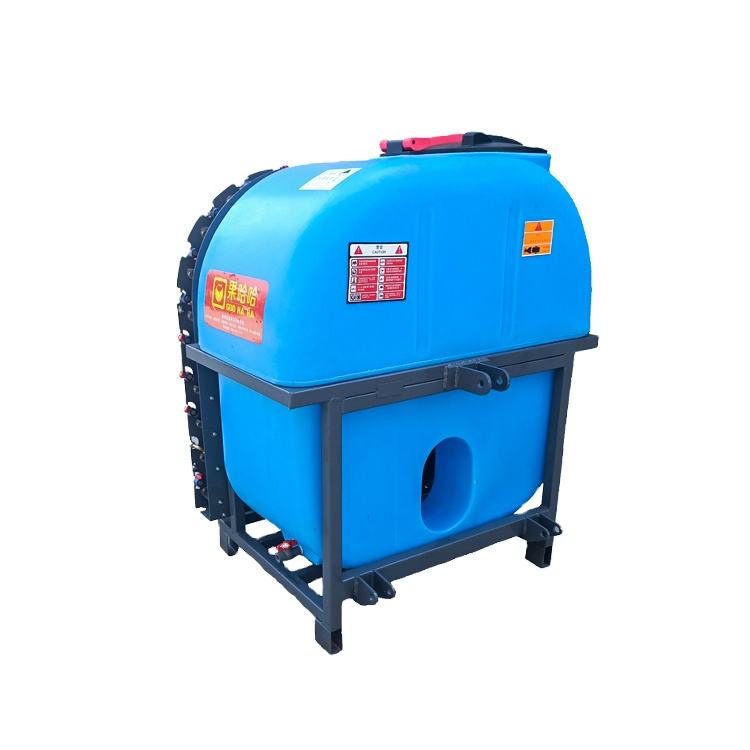
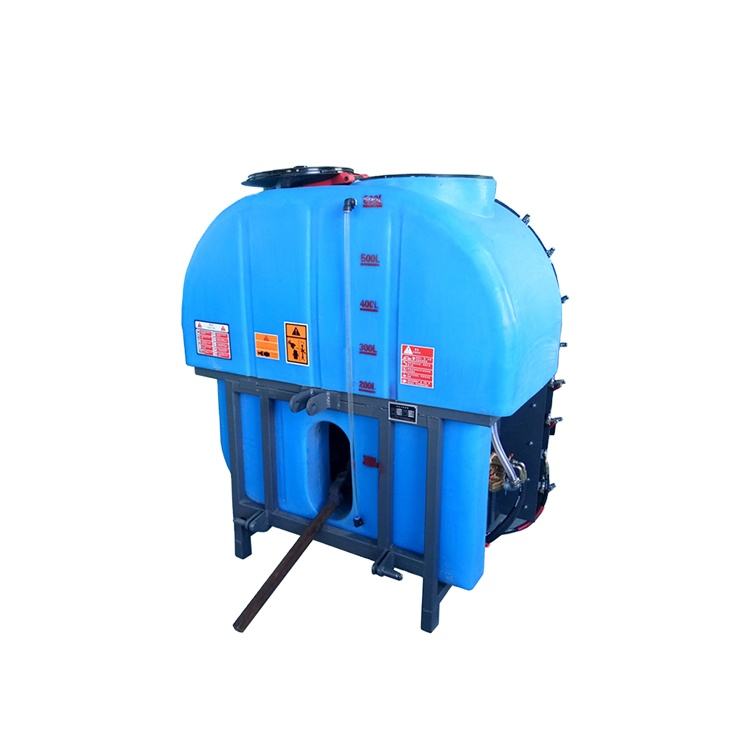
Tell us the crop height, the tank size and the chemicals you use, and we will specify the pump for your machine. See the 600 L mounted sprayer with a gearbox-driven pump.