
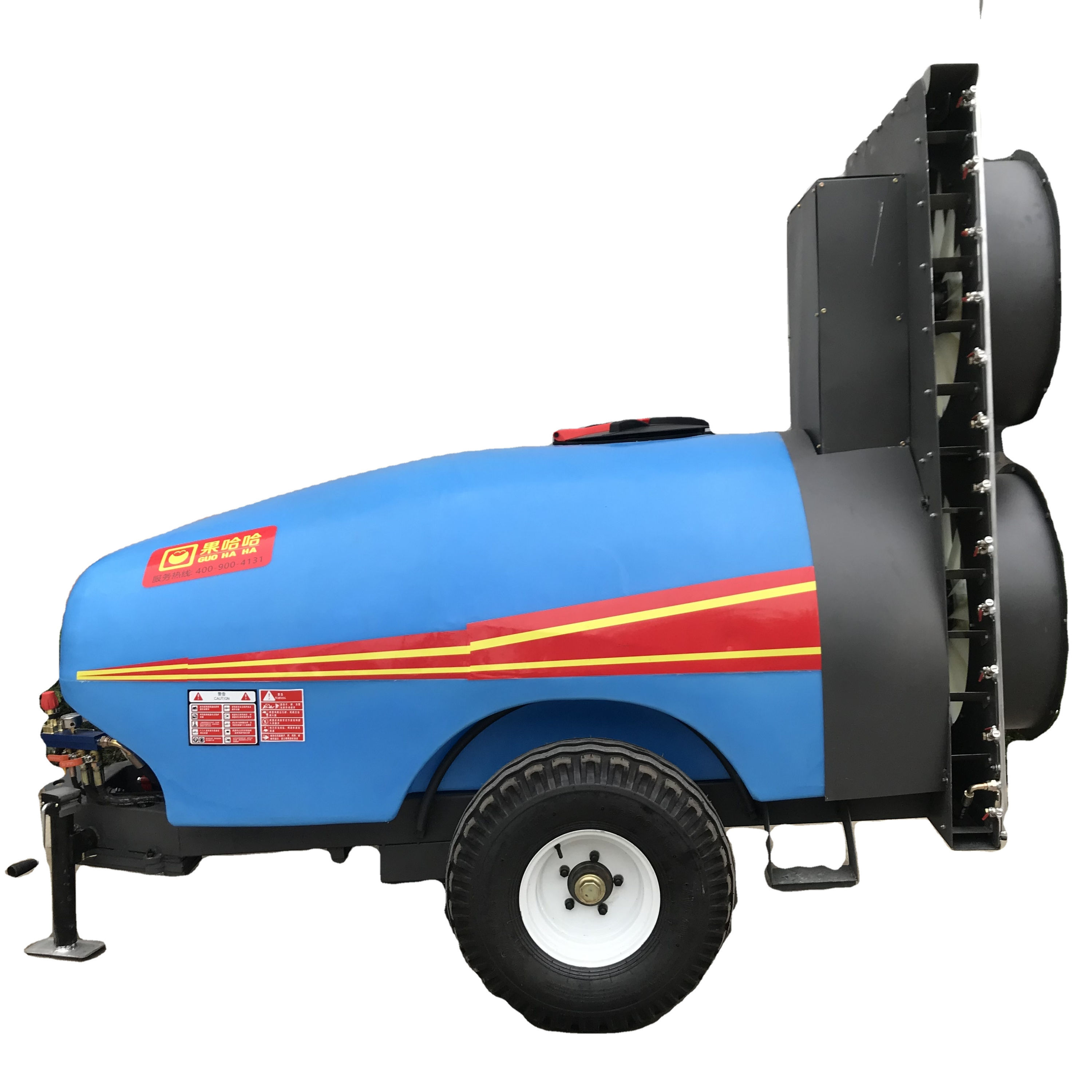
The end of the season is the cheapest maintenance window of the year, because nothing is urgent. It is also the one most often skipped. Water left in a pump, fertiliser residue left in a tank and a track left under tension all get worse while the machine sits.
Clean until the water runs clear
Triple-rinse the tank, the pump and the boom with clean water, then run the rinse water through the nozzles. Flush the pump with clean water for two minutes after the tank is empty, because the pump is where residue concentrates. Remove the nozzle tips, clean them in a soft brush and store them dry in a labelled bag.
- Drain the tank fully through the sump plug, not through the pump.
- Flush the pump and the boom with clean water, then blow the lines through with air.
- Remove, clean and store nozzle tips separately.
- Grease every nipple while the machine is still accessible.
Protect what water damages
Drain the pump housing and the pressure regulator, then add a small amount of antifreeze if the machine is stored unheated. Change the engine oil on a self-propelled unit before storage rather than after, and fog the cylinder if the manual asks for it. A battery left connected will be flat by spring; a battery left on a maintainer will not.
Tracks should be cleaned and left at the correct tension, never slack. Tyres on a trailed machine should be raised off the ground if it is stored on soil, or inflated to the storage pressure in the manual if it stays on its wheels.
Nothing in a sprayer likes standing water. Including the sprayer.
Make a spring list now
Write down what you noticed but did not fix: a slow drip, a noisy bearing, a filter bowl that cracked. Put the list inside the tank lid. In March it will be the most useful document on the farm.
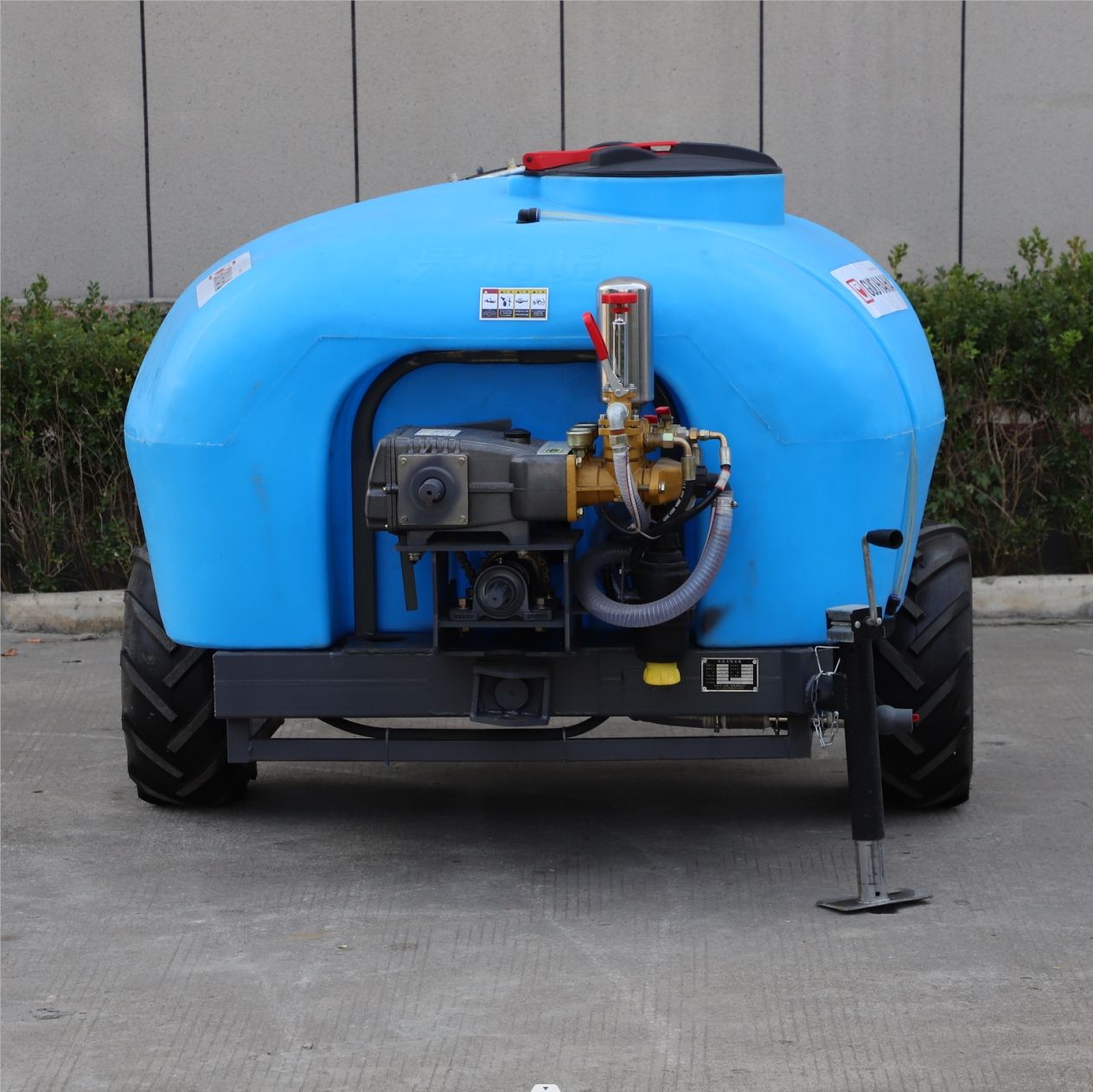
The first start in spring
Before the first tank, turn the pump by hand if the design allows it, then run it for thirty seconds with the outlet open. Listen for a dry squeal, which means a seal has hardened. Fill with clean water, run at 3 bar for five minutes and check every joint twice: once cold and once after the water has warmed in the sun.
Check the battery voltage under load, not at rest. A battery that reads 12.4 V at rest can still fail to crank a cold diesel, and a jump start in the first week of the season usually means the battery was already tired in October.
Leave the manual in the cab, not the office. The spring start is exactly when someone needs the torque figures and the oil capacities, and the office is exactly where the manual will not be. Label the keys, note the fuel level and photograph the hour meter. Four months later the photo is the only proof of how many hours the machine actually did last season.
Seal kits, diaphragms, filters and hoses are available for every model we build. Send us the machine model and we will send the end-of-season parts list.