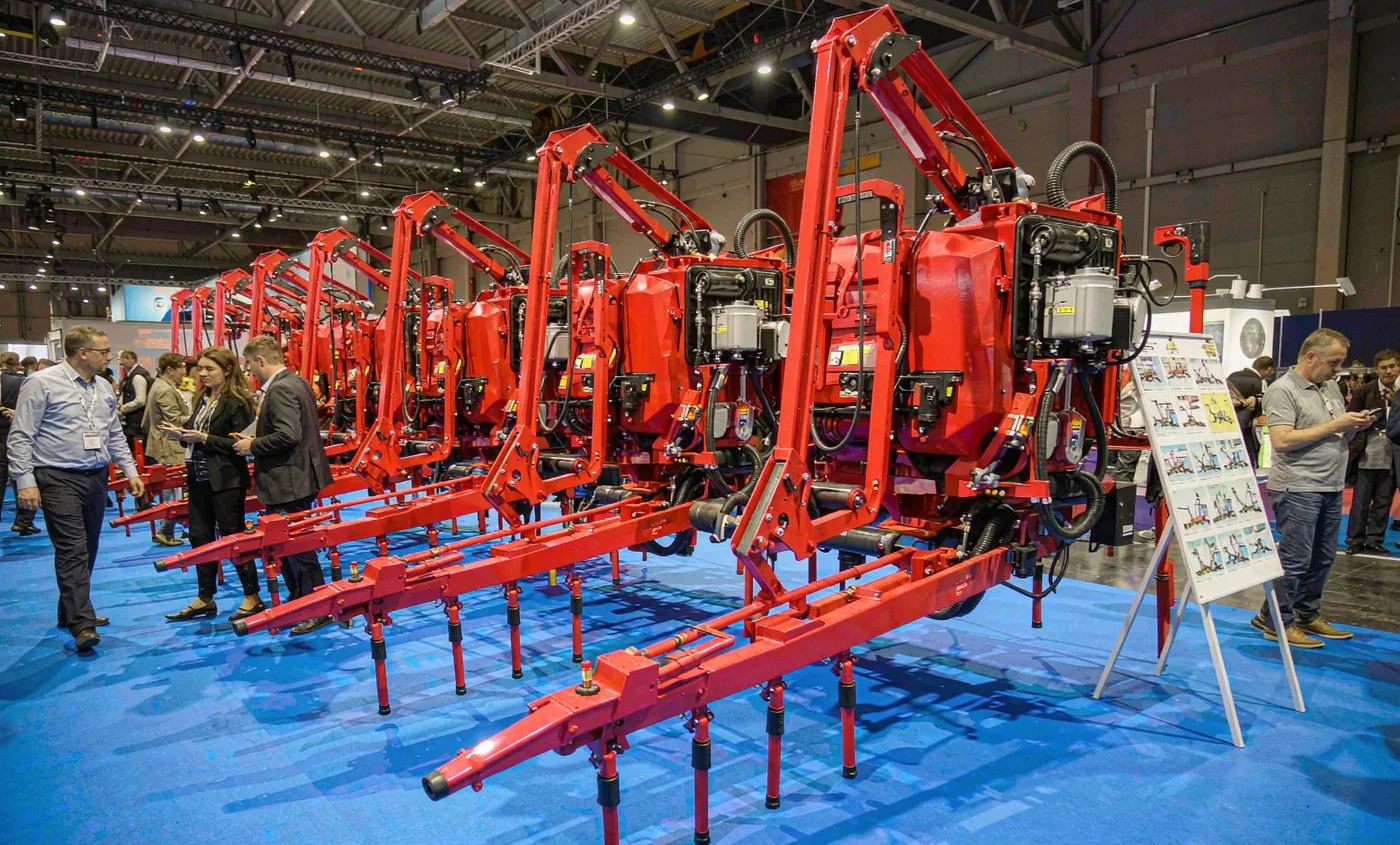
A sprayer is a simple machine with a small number of wear points. Dealers who stock nine families of parts can solve most field failures the same day, and the value of that to a grower in the middle of a spraying window is higher than any discount on the machine.
The nine families
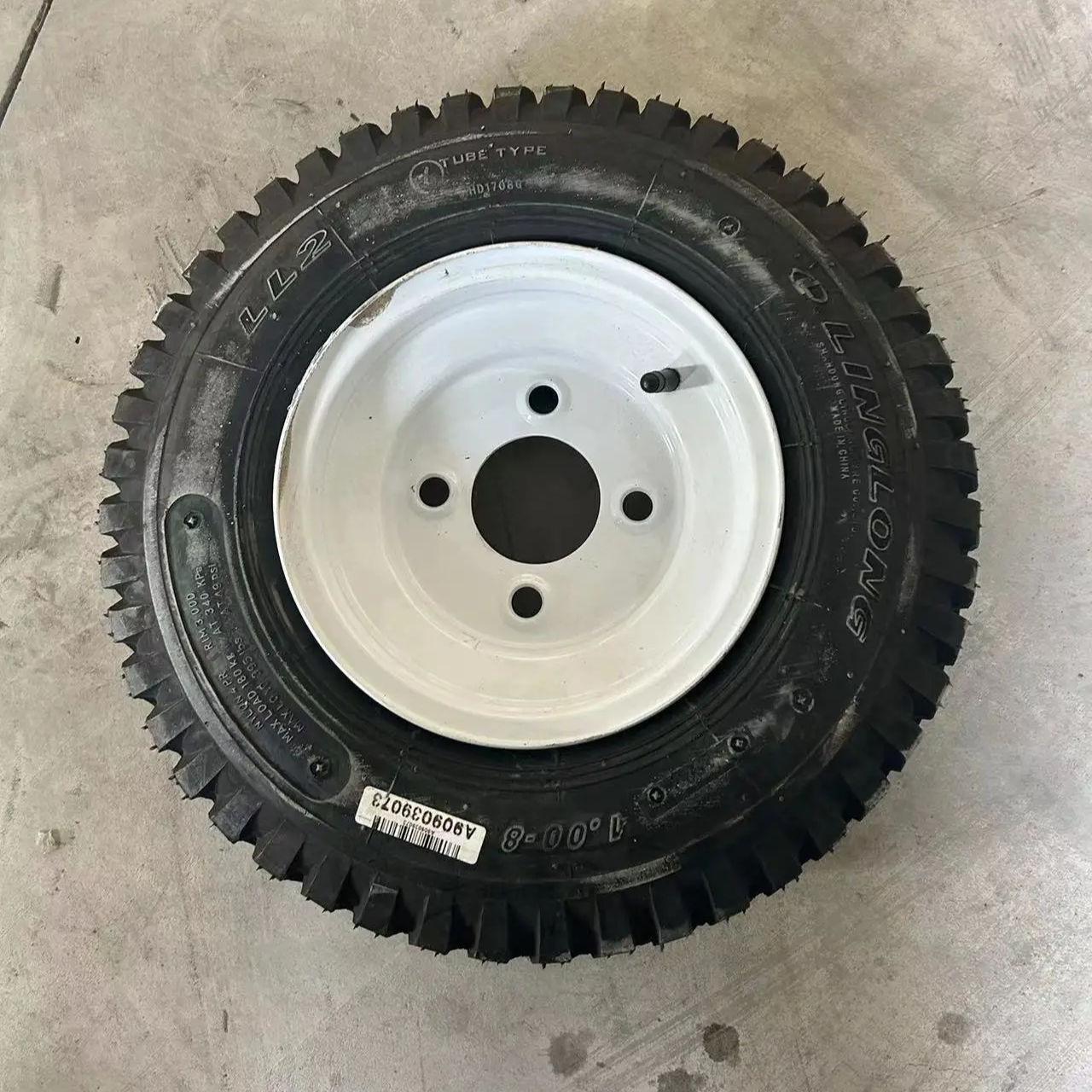
Nozzle tips and caps, nozzle bodies, line and suction filters, diaphragms and valve kits, hose sets with the two most common diameters, pressure gauge and relief valve, tank lid and level float, PTO shaft guard and shear bolt, and a track or tyre repair kit depending on the model line.
- Tips and caps in the two sizes that cover 80 percent of the machines sold.
- Diaphragm and valve kits for the pump family, not for a single model.
- Hose in 13 mm and 19 mm, with reusable fittings.
- One complete filter set per model family.
What to keep on the shelf versus on order
Consumables belong on the shelf: tips, filters, seals, shear bolts. Structural parts belong on order: booms, tanks, axles. The dividing line is the ratio of price to failure frequency. A tip costs little and fails often; a boom costs a lot and rarely fails.
Keep a worn-parts board in the workshop. Every part replaced goes on the board with the hour meter reading. After one season the board is a stocking plan written by the machines themselves.
A parts catalogue is a list. A parts board is a forecast.
Why it matters in the spraying window
Disease pressure does not wait for a shipment. A dealer who can replace a diaphragm on a Tuesday afternoon keeps a customer for a decade; one who quotes three weeks loses the next machine sale as well.
Pricing the kit
A starter kit for one model family usually costs 3 to 5 percent of the price of a single machine. Against that, one lost spraying day in a disease window can cost a grower more than the kit. Dealers who stock the kit rarely lose a machine sale to a competitor who can deliver faster, because they are not waiting for parts either.
Review the board twice a year: after the main spraying season and before the next one. Parts that never moved come off the shelf, parts that ran out twice get a higher reorder point. The list should change every year, or it is not being used.
Start with the parts that stop a machine, not the parts that improve it. A broken nozzle costs a day; a new nozzle design costs a season of trial. The first belongs in stock, the second belongs in next year's plan. Order the first kit with the first machine, not after the first failure. The freight on a parts kit is small next to the freight on an emergency shipment, and the second one always arrives during the season.
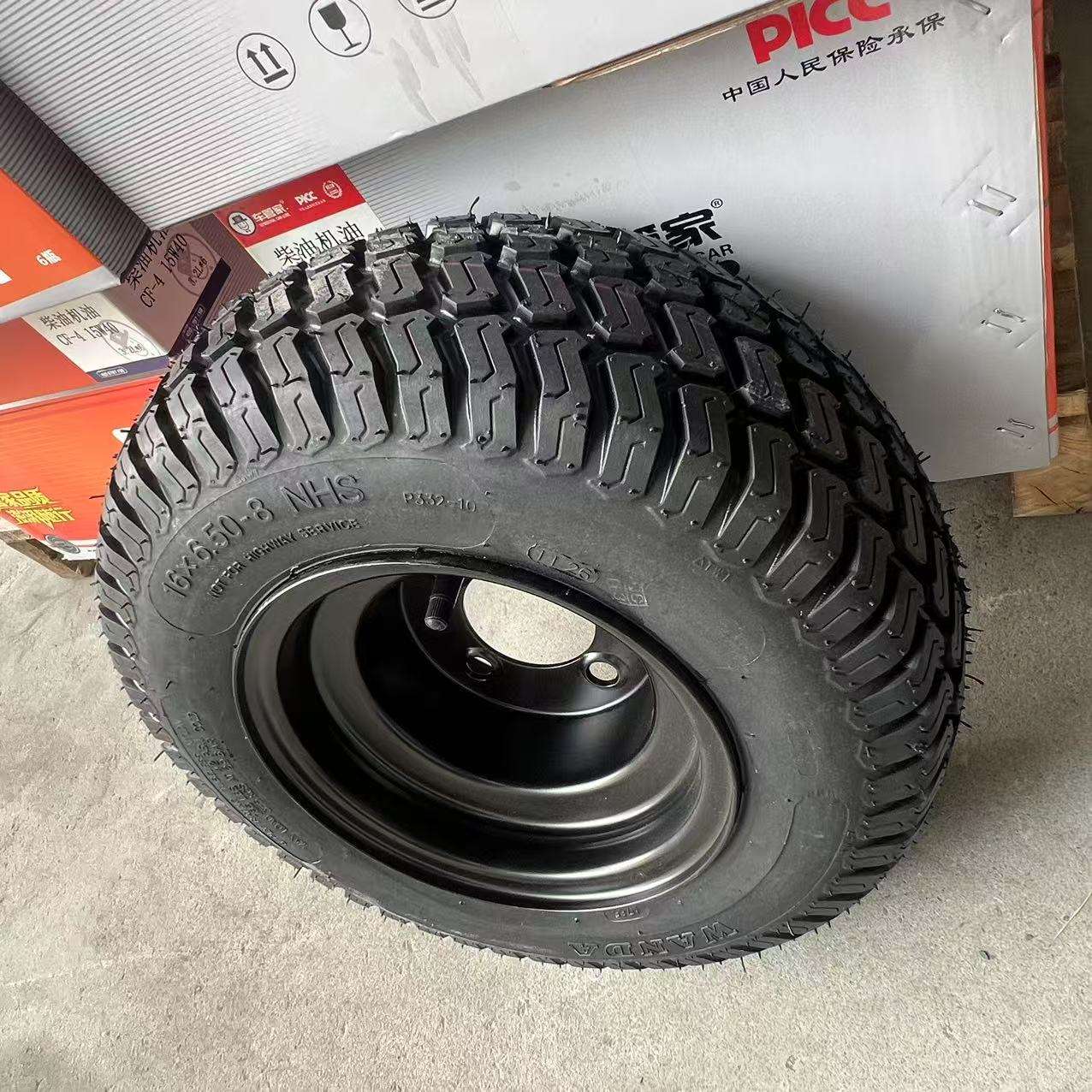
We supply parts kits by model family with a suggested stock list and reorder points. Ask for the kit that matches the machines you have sold — start with the sprayer parts range.