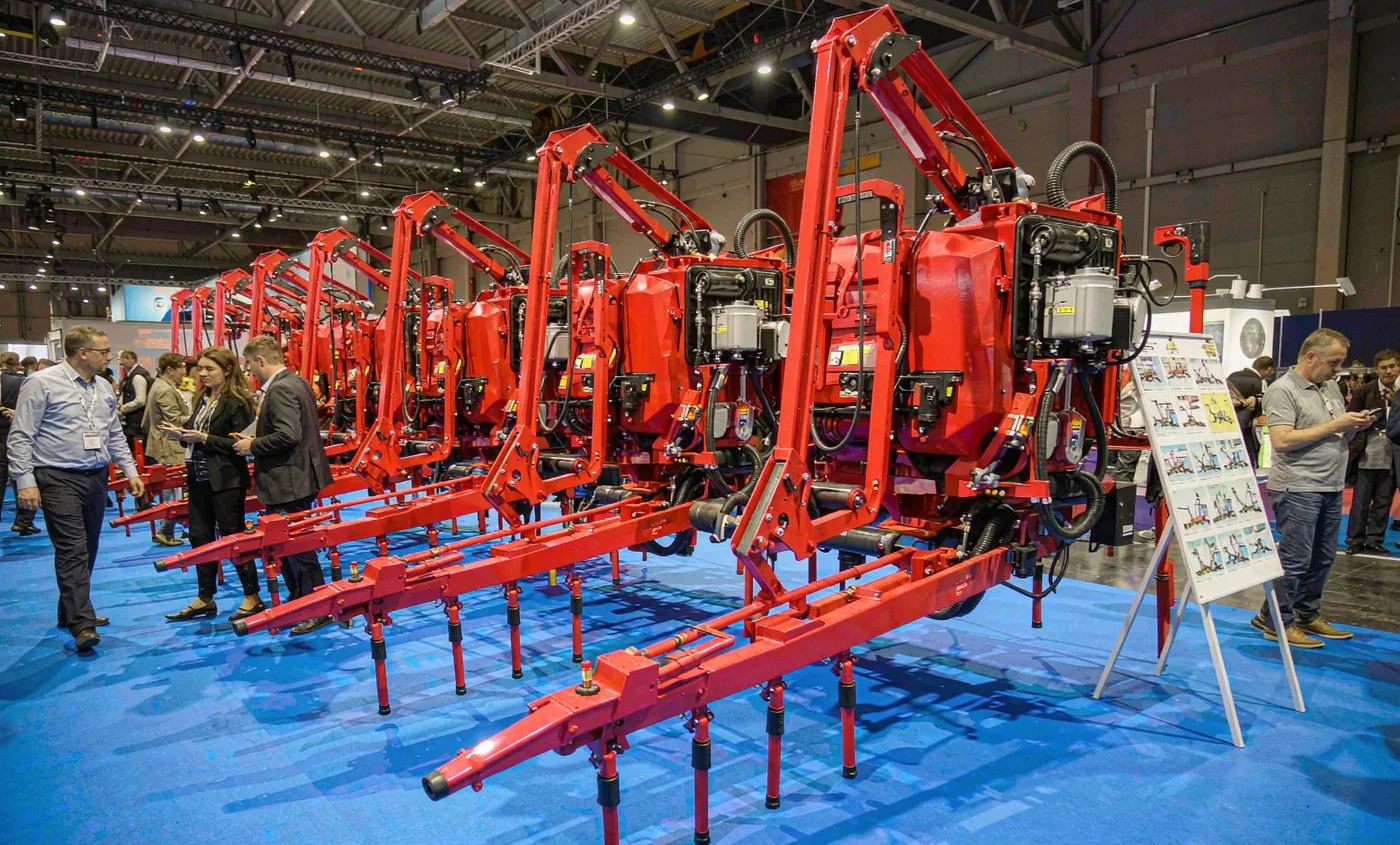
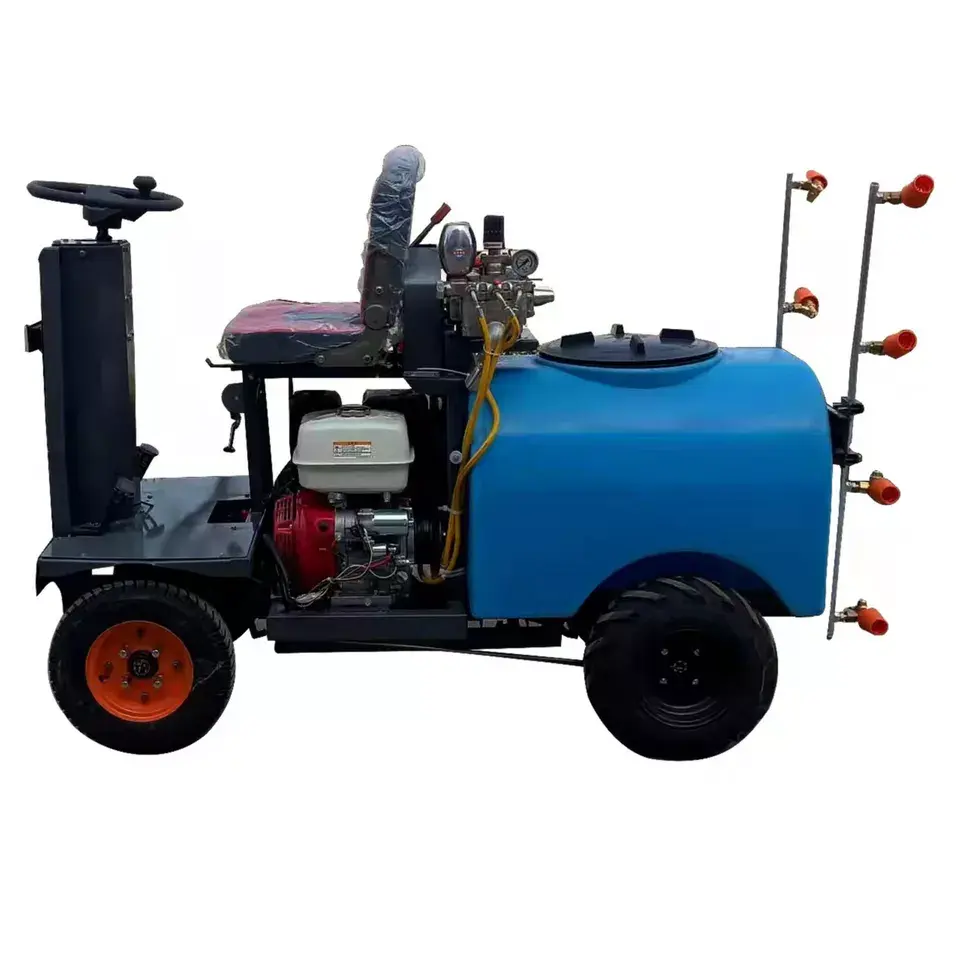
Demonstrations happen on flat ground, in good weather, with a machine that has just been adjusted by the person who built it. Your orchard is not flat and your water is not clean. Testing with water in your own rows for one morning removes most of the risk from a purchase.
Test the turn, not the straight
Ask the operator to turn at the end of your tightest row with a full tank. Watch the outside wheel, the boom end and the headland fence. If the machine needs a three-point turn there, it will need one 200 times a day.
- Full tank turn in the tightest headland.
- Climb the steepest row at working speed, then brake on the descent.
- Refill from your own water point and time it end to end.
- Spray one row with cards at three heights, then read the deposit.
- Check the noise level at the operator's ear.
- Ask for the parts list and confirm three common parts are in stock.
Read the deposit, not the brochure
Water-sensitive cards on the near and far side of a tree at three heights show whether the air head is set for your canopy. A machine that soaks the outside leaves and leaves the inside dry is not calibrated, and the fix may be a different head rather than a different setting.
Time the refill. A machine that takes twenty minutes to fill from your water point will cost more over a season than a machine that costs 5 percent more to buy and fills in eight.
A demonstration shows what the machine can do. A trial shows what it will do on your farm.
Ask for the boring numbers
Fuel per hour, grease points, filter part numbers, the torque figure for the wheel nuts and the track or tyre replacement interval. A supplier who can answer those without checking has sold the machine before.
After the trial, write it down
Before the machine leaves, record the refill time, the fuel used, the deposit quality on the cards and the three things the operator complained about. Those notes are the difference between a decision based on impression and one based on evidence, and they are also the specification you send to a second supplier for comparison.
Ask for a written confirmation of the settings used during the trial. If the machine is delivered with different nozzles or a different pump, the trial result no longer applies.
Finally, ask what happens after the sale: who supplies filters, how quickly a diaphragm can ship, and whether the dealer has the parts list in the local language. The machine is the easy part of the decision. Bring a notebook and a stopwatch, not a phone. Two numbers written down at the time are worth more than an album of photos reviewed a week later.
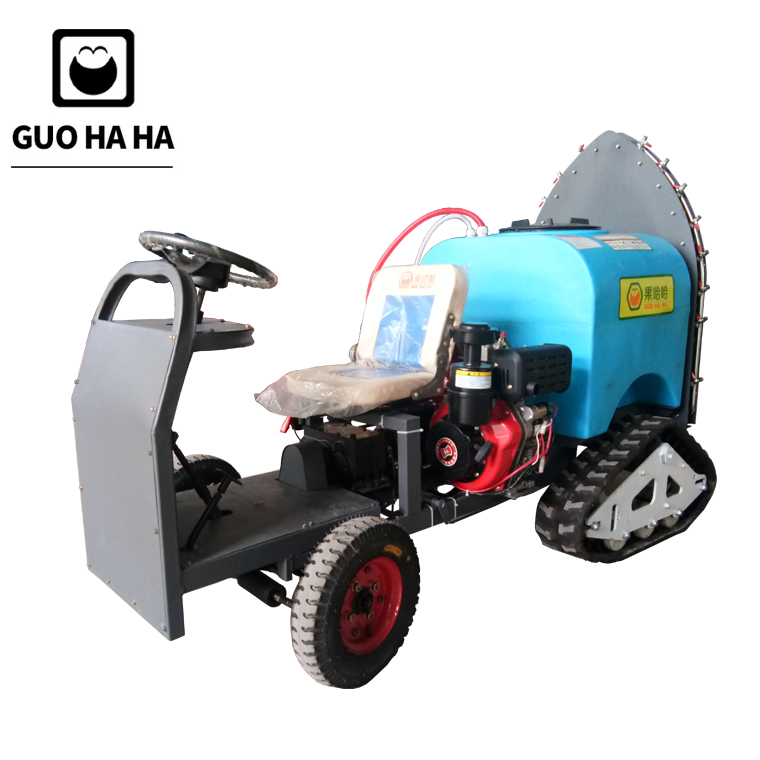
We run trial days with water in growers' own orchards. Send us your location and row spacing, and we will bring the 300 L self-propelled sprayer and a set of cards.