

A sprayer that ran perfectly in October can fail on the first morning of the season without anything breaking. Sediment settles, rubber hardens and a filter that was clean when it was parked is now a plug. Two hours of checks prevent most of it.
The tank first, because everything else follows
Empty the tank completely and look inside with a torch. A white or chalky film on the walls is dried wettable powder; a rust line at the water level means the lining has failed at the weld. Both will break loose and block the filters within an hour of starting work.
- Rinse the tank with clean water and a soft brush, never a metal scraper.
- Check the tank lid seal, the breather and the level gauge float.
- Confirm the rinse tank holds and delivers at least 10 percent of main tank volume.
Filters in the right order
Most machines have three: a suction strainer at the tank outlet, a line filter before the pump and a nozzle filter at each body. Clean them from the tank outward and replace any element that is deformed. A collapsed line filter is a symptom of a blocked suction strainer, not a filter problem.
Hoses fail from the inside. Squeeze each hose along its length; a soft spot or a bulge means the inner liner has separated and the hose will fail under pressure. Replace in sets, and check that the new hose is rated above the relief valve setting rather than above working pressure.
A sprayer does not wear out in the field. It waits until the field to show what wore out in the shed.
Pressure test before the first fill
Run clean water at 3, 8 and 15 bar with the boom open and watch every joint. Fix the drip now, because the same joint will be behind a chemical label for the rest of the season.
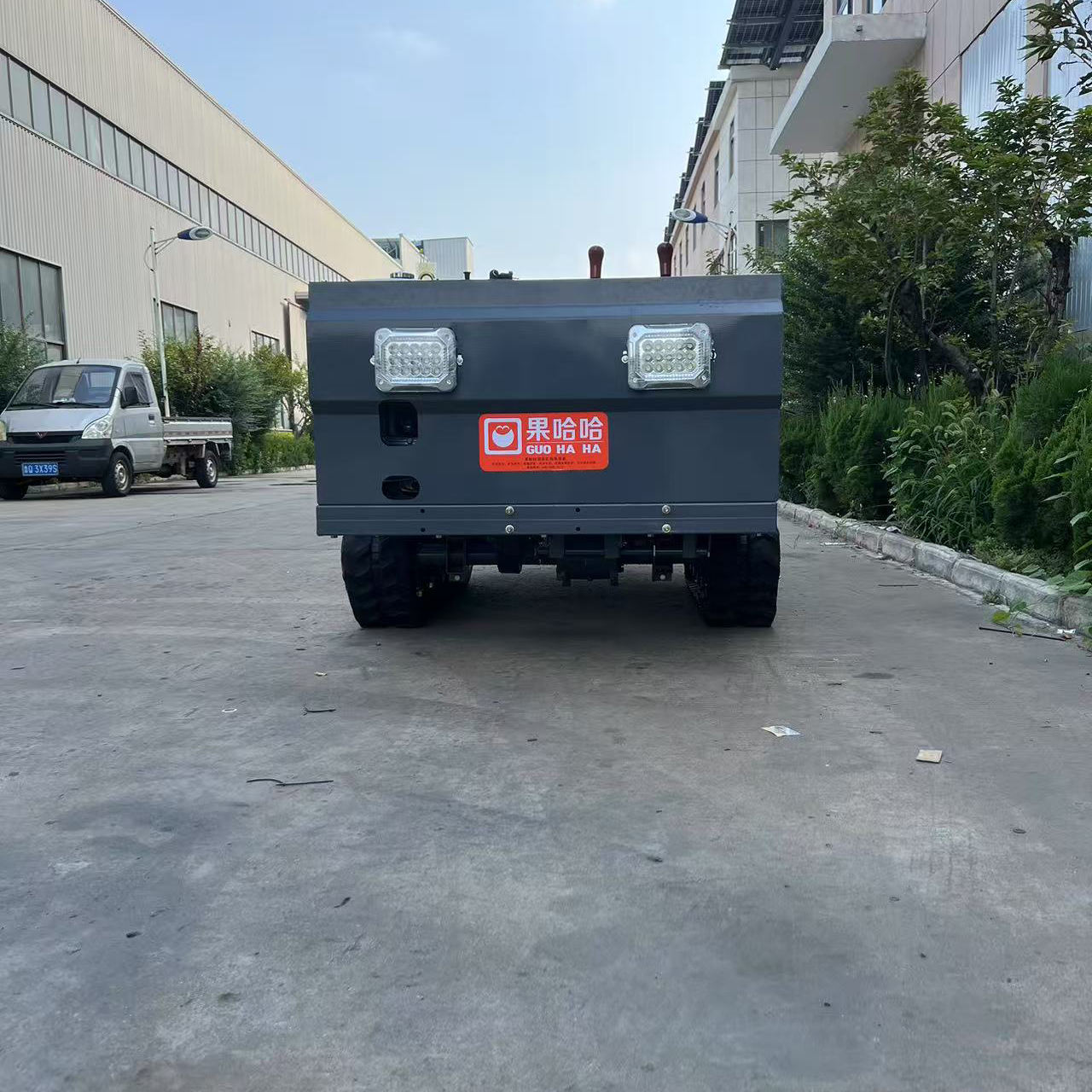
The first fill of the season
Fill with clean water only, run the pump at low pressure and check every joint, then drain. This is the pass that finds the seal that dried out over winter, before there is any chemical in the system. Only after the system holds pressure should the first spray mix be prepared.
Check the agitation with a bucket test: draw a sample from the bottom of the tank and from the boom return and compare colour. A difference means the agitation is not keeping the mix uniform, which shows up later as uneven control at the end of a block.
Finally, check the tank's calibration marks against a known volume. A level gauge that reads 10 percent high means every mix is 10 percent weak, and that error follows the machine for its whole life unless someone measures it once. Keep a spare bowl seal in the toolbox. It is the cheapest part on the machine and the one that stops a day when it splits.
Filter elements, hose sets and tank lids are available for every model. Send us the machine model and year, and we will return the service parts list for the 600 L crawler sprayer.